

Buddhist Pilgrimage Journey to Nepal
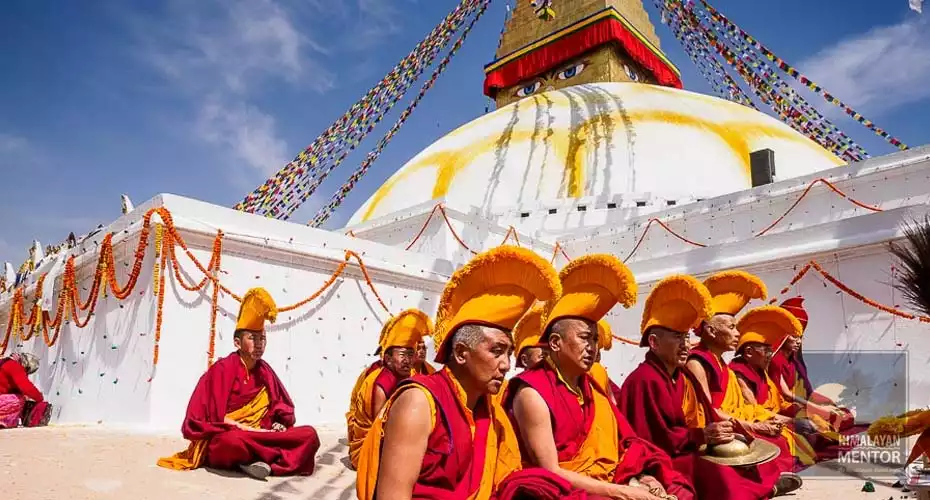
Buddhist Pilgrimage Tour in Nepal: A Journey Through Sacred Sites
Nepal, the birthplace of Lord Buddha, is a revered destination for spiritual seekers and history enthusiasts alike. Rich in cultural heritage and steeped in Buddhist traditions, Nepal offers a unique opportunity to embark on a Buddhist pilgrimage tour. From the sacred Lumbini, the birthplace of Buddha, to the serene monasteries in the hills, Nepal is a living testament to Buddhist teachings and history. The Buddhist tour in Nepal will be a journey that will transform your life and surroundings.
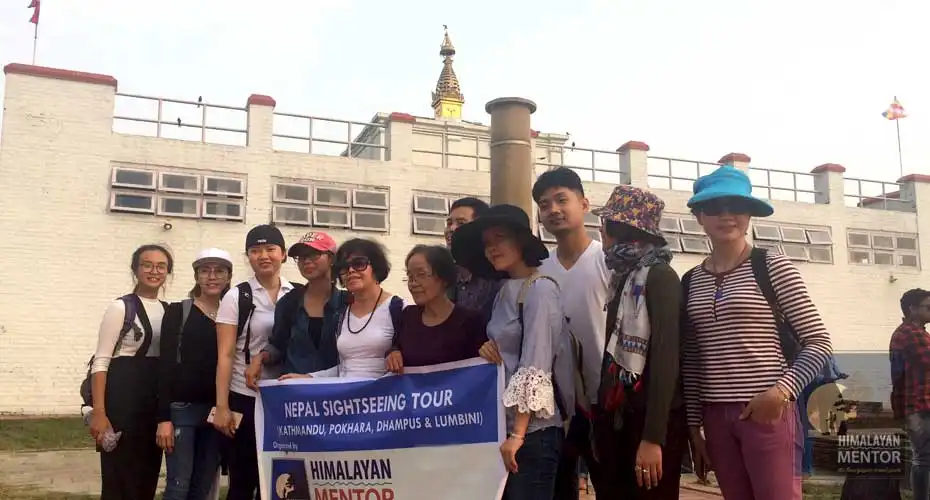
Here are some of the most popular Buddhist sites in Nepal as your travel tips that are spiritually renowned!
1. Lumbini: The Birthplace of Lord Buddha
Lumbini, located in the Rupandehi District of Nepal, is the most significant site for Buddhist pilgrims. This UNESCO World Heritage site marks the birthplace of Siddhartha Gautama, who later became the Buddha. The sacred garden, where Queen Mayadevi gave birth to Siddhartha, is the centerpiece of Lumbini. Visitors can explore the Mayadevi Temple, which stands on the exact spot of Buddha’s birth, and the surrounding monastic zone, which houses various Buddhist temples and monuments built by countries across the globe. A visit to Lumbini offers a deep spiritual experience and a sense of tranquility.
2. Swayambhunath (Monkey Temple): A Sacred Hilltop Stupa in Kathmandu
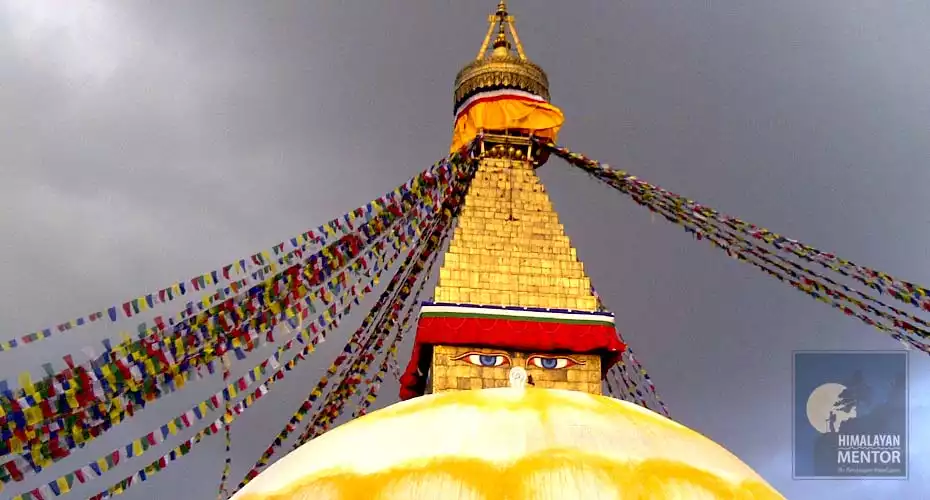
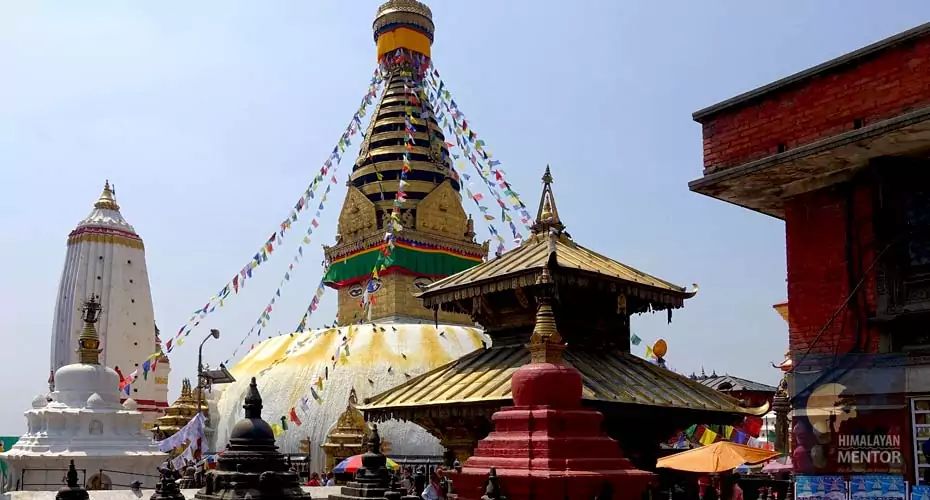
Swayambhunath, famously known as the Monkey Temple, is one of Nepal’s most iconic Buddhist stupas. Situated on a hilltop overlooking the Kathmandu Valley, Swayambhunath is an important pilgrimage site for both Buddhists and Hindus. The stupa, with its all-seeing eyes of Buddha, represents wisdom and compassion. Pilgrims and visitors often climb the 365 steps to reach the top, where they can offer prayers, spin prayer wheels, and soak in the serene atmosphere. The stupa is surrounded by shrines and temples, making it an essential stop for those on a Buddhist pilgrimage tour.
3. Boudhanath Stupa: The Heart of Tibetan Buddhism in Nepal
Boudhanath Stupa, located in the eastern part of Kathmandu, is one of the largest stupas in Nepal and one of the holiest Buddhist sites in the world. The stupa’s vast mandala design and the presence of countless prayer flags create a vibrant and spiritual atmosphere. Tibetan Buddhist monks and locals gather here to circumambulate the stupa, spinning prayer wheels as they chant mantras. The area surrounding Boudhanath is home to several monasteries and Tibetan shops, where pilgrims can experience Tibetan Buddhist culture and traditions.
4. Kopan Monastery: A Center of Tibetan Buddhism
Kopan Monastery, located just outside Kathmandu, is another significant site for Buddhist pilgrims. This monastery is famous for its meditation courses, teachings on Tibetan Buddhism, and stunning views of the Kathmandu Valley. It is a peaceful place where pilgrims can engage in meditation and Buddhist teachings. Visitors can join short-term courses to deepen their understanding of Buddhism or simply experience the monastery’s serene atmosphere.
5. Namobuddha Monastery: A Sacred Site for Pilgrims
Located about 40 km east of Kathmandu, Namobuddha is a sacred site associated with the Buddha’s previous life as a prince. According to legend, the Buddha, in one of his former lives, sacrificed his body to a starving tigress and her cubs. This selfless act is commemorated at Namobuddha, where pilgrims visit the stupa, the surrounding monasteries, and the nearby caves that are believed to be linked to this legendary event. Namobuddha offers not only spiritual solace but also breathtaking views of the surrounding mountains and the Kathmandu Valley.
6. The Monasteries of Pharping: Tranquility and Spirituality
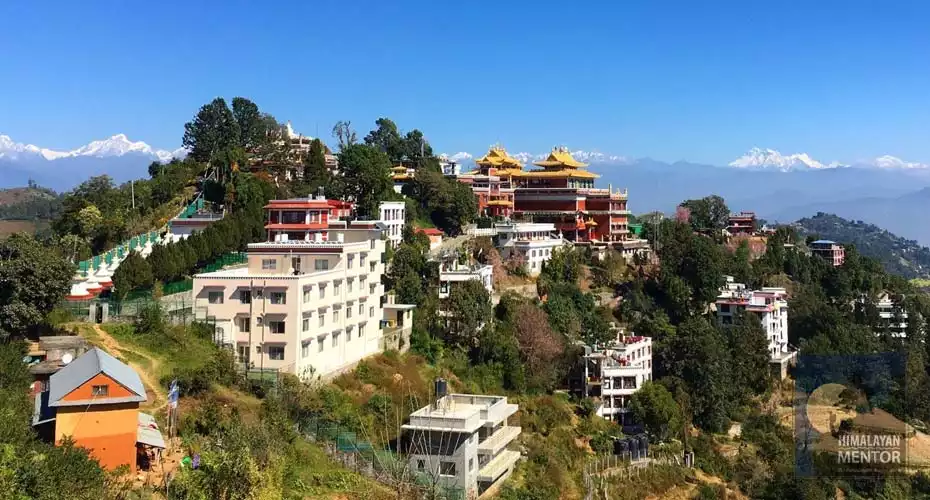
Pharping, a small town located just outside Kathmandu, is another important pilgrimage site for Buddhists. The area is home to several monasteries and sacred caves, including the famous Yangleshö Cave, where Guru Rinpoche (Padmasambhava) is said to have meditated. Pilgrims visit Pharping for its serene environment and its significance in Tibetan Buddhism. The monasteries in Pharping offer a perfect setting for quiet reflection and spiritual growth.
Why do you need to visit Buddhist sites in Nepal as a Spiritual Journey?
Visiting Buddhist sites in Nepal as a spiritual journey offers a transformative experience that goes beyond mere sightseeing. Nepal, known as the birthplace of Lord Buddha, holds immense spiritual significance, and its Buddhist sites are deeply rooted in ancient teachings and practices. Here are several reasons why a visit to these sacred places can be a profound spiritual journey:
1. Connection with Buddha’s Legacy
Nepal is where Lord Siddhartha Gautama, later known as the Buddha, was born, and it’s where his teachings took root. Visiting sites like Lumbini, the birthplace of Buddha, allows pilgrims to connect with the very origin of Buddhism. Standing in the same sacred garden where Buddha took his first breath brings a sense of closeness to his teachings and provides an opportunity to reflect on his path to enlightenment. This connection with Buddha’s legacy can be deeply inspiring and offer clarity in one’s own spiritual quest.
2. Meditative Atmosphere for Inner Peace
Many Buddhist sites in Nepal, such as Swayambhunath, Boudhanath, and Namobuddha, are designed to create a peaceful, meditative environment. These sacred sites, with their stupas, prayer wheels, and chants, offer an atmosphere that fosters inner peace and spiritual reflection. Pilgrims and visitors often practice meditation while circumambulating the stupas or sitting in silence, allowing for a deep sense of tranquility and mindfulness. The meditative atmosphere helps individuals quiet their minds and connect with their higher selves.
3. Deepening Understanding of Buddhist Philosophy
Visiting Buddhist pilgrimage sites in Nepal provides an opportunity to learn about Buddhist philosophy and teachings firsthand. Each site holds historical and spiritual significance, and many monasteries and stupas offer teachings, prayer sessions, and the opportunity to meet monks. Engaging with local monks or participating in teachings helps deepen one's understanding of core Buddhist principles such as the Four Noble Truths, the Eightfold Path, and the importance of compassion, mindfulness, and impermanence.
4. A Path to Enlightenment
Buddhism emphasizes the path to enlightenment through wisdom, ethical conduct, and mental discipline. Visiting these sacred sites encourages pilgrims to walk this path, not just physically by visiting different locations, but also spiritually by practicing the teachings of Buddha. Places like Pharping and Kopan Monastery are dedicated to meditation and self-reflection, which are key practices on the path to enlightenment. For many, visiting these sites becomes an invitation to embark on their own journey of awakening and transformation.
5. Engaging with Sacred Rituals and Traditions
Buddhist pilgrimage sites in Nepal are places where ancient rituals are still practiced today. Pilgrims can engage in sacred rituals like prayer wheel spinning, chanting mantras, and offering prayers at stupas. These acts help focus the mind and cultivate positive energy, reinforcing one’s connection to Buddhist teachings and fostering a deep sense of devotion and peace. Participating in these rituals can be a way to honor the teachings and seek blessings for one’s spiritual journey.

6. Healing and Purification
Many people visit Buddhist pilgrimage sites with the hope of finding healing, purification, and relief from suffering. Buddha’s teachings are focused on overcoming suffering and attaining peace of mind. By visiting these sacred places and engaging with the spiritual practices, individuals often experience a sense of catharsis and healing. The physical act of pilgrimage—walking from one sacred site to another—becomes a metaphor for the spiritual journey of self-purification and the release of negative emotions or attachments.
7. Unity and Compassion in Buddhist Community
Nepal’s Buddhist pilgrimage sites are not only sacred to individuals but also to the Buddhist community at large. These sites often host gatherings of pilgrims and practitioners from around the world, creating a sense of spiritual unity and shared purpose. Being part of this community fosters a deep sense of compassion and connection to others on a similar spiritual path. It reminds pilgrims that they are part of a larger network of people striving for peace, enlightenment, and compassion.
8. Embracing Cultural and Historical Significance
The Buddhist sites in Nepal also carry immense cultural and historical significance. Many of these sites, such as Swayambhunath and Boudhanath, are not just spiritual centers but also rich cultural monuments. The architecture, art, and symbols found within these sites tell stories of ancient traditions and the spread of Buddhism throughout Nepal and beyond. Experiencing this history allows pilgrims to gain a deeper understanding of how Buddhism has shaped the culture and lives of people in Nepal and the broader region.
Best Time for Nepal Buddhist Pilgrimage Tour
The best time for a Buddhist tour in Nepal depends on the climate, the festivals, and your personal preferences for travel conditions. The most favorable months to visit Nepal for a Buddhist pilgrimage tour are:
1. Autumn (September to November)
- Weather: The weather during autumn is clear, dry, and mild, with comfortable temperatures—ideal for exploring Nepal’s Buddhist sites.
- Best for Pilgrimage: This is considered one of the best times to visit Nepal as the skies are usually clear, providing excellent visibility of the Himalayas. It’s also a perfect time for outdoor activities like hiking, visiting monasteries, and enjoying the spiritual atmosphere of sacred sites.
- Festivals: You can experience significant Buddhist festivals, such as Lhosar (Tibetan New Year), typically in late autumn, when Tibetan Buddhist communities celebrate with colorful rituals, prayers, and festivities.
2. Spring (March to May)
- Weather: Spring in Nepal is also a great time for a Buddhist pilgrimage tour. Temperatures are warm but not too hot, and the skies remain mostly clear, making it an excellent time to visit monasteries, stupas, and other sacred sites.
- Best for Pilgrimage: The spring season is also ideal for spiritual practices such as meditation, reflection, and connecting with Buddhist culture. The temperatures are comfortable for walking around sites like Boudhanath Stupa and Lumbini.
- Festivals: The Buddha Jayanti, Buddha’s birthday (celebrated by Buddhists in Nepal), falls in the spring (usually in April or May), and this is a highlight for a Buddhist pilgrimage. During this time, Lumbini and other Buddhist sites are decorated with flags and flowers, and there are special ceremonies and prayers to commemorate Buddha's birth, enlightenment, and death.
3. Winter (December to February)
- Weather: Winter is generally colder, especially in the mountains and at higher altitudes, but the weather remains dry and clear. In the lowland areas, such as Kathmandu and Lumbini, the temperatures are milder, though you should still pack warm clothing for the cooler evenings.
- Best for Pilgrimage: While winter can be colder, it is still a good time for those seeking a quieter, less crowded experience at popular Buddhist sites. Many people prefer winter for a more introspective, peaceful pilgrimage as the crowds are thinner.
- Considerations: If you plan to visit higher altitudes or remote areas, such as Namobuddha or Kopan Monastery, you may need to prepare for colder temperatures, especially in the mornings and evenings.
4. Summer/Monsoon (June to August)
- Weather: The monsoon season brings heavy rainfall, particularly in the southern plains and lower elevations. The weather can be humid, and the trails can be slippery, making travel more challenging. However, in the higher regions of Nepal, such as the Kathmandu Valley and Pokhara, the monsoon rains are less intense.
- Best for Pilgrimage: While it’s not the ideal time for hiking or trekking, visiting Buddhist temples and monasteries in places like Kathmandu and Lumbini can still be possible. Just be prepared for occasional rain showers.
- Considerations: The monsoon season can bring lush greenery, making it a great time to experience the beauty of Nepal’s landscapes. However, you may face logistical challenges like road closures or delays, and many remote locations are harder to access during this time.
Best Time: The most favorable time for a Buddhist pilgrimage tour in Nepal is autumn (September to November) and spring (March to May), with clear weather, comfortable temperatures, and the opportunity to participate in significant Buddhist festivals.
Off-Season: Winter can also be a great time for those seeking a quieter experience, though temperatures may be colder. The monsoon season (June to August) is generally not recommended for trekking or remote visits, but it can still be a good time for exploring urban Buddhist sites.
Packing List for your Buddhist tour in Nepal
When embarking on a Buddhist pilgrimage tour in Nepal, it's essential to pack thoughtfully to ensure a comfortable, spiritual, and meaningful journey. Here’s a packing list to help you prepare for your trip:
Clothing
- Modest Clothing: Buddhism places a strong emphasis on modesty. While visiting temples and monasteries, it's respectful to wear modest clothing that covers the shoulders and knees.
- Lightweight, long-sleeved shirts, and pants or long skirts
- Avoid shorts and sleeveless tops when visiting religious sites
- Comfortable Walking Shoes: You will be walking a lot, especially in sacred sites, monasteries, and hills. A pair of durable, comfortable shoes or sandals is essential.
- Light Jacket or Sweater: Depending on the season, evenings can get chilly, especially in the mountainous areas.
- Rain Gear: A lightweight waterproof jacket or umbrella is useful during the monsoon season (June to September).
- Sun Protection: A hat, sunglasses, and sunscreen to protect against the strong sun.
Spiritual and Religious Items
- Prayer Beads (Mala): A traditional tool for meditation and chanting. Having your own mala is a meaningful companion during your pilgrimage.
- Portable Altar: If you're a devout practitioner, a small portable altar with sacred symbols or a Buddha statue can help create a spiritual space wherever you are.
- Journal: A notebook or journal to document your reflections, experiences, and insights gained during the tour.
- Books on Buddhism: Consider bringing a small guidebook on Buddhist philosophy, teachings, or meditation to deepen your understanding.
Health and Hygiene
- Medication: If you are on prescribed medications, carry enough for the entire trip along with a prescription.
- First Aid Kit: Include essentials such as band-aids, antiseptic cream, pain relievers, motion sickness tablets, and any personal medication.
- Hand Sanitizer and Wet Wipes: Convenient for keeping hands clean when traveling in remote areas without easy access to water.
- Toiletries: Toothbrush, toothpaste, soap, shampoo, deodorant, and any other personal hygiene items. It’s a good idea to carry environmentally friendly products, as Nepal is increasingly conscious of its environment.
- Water Bottle: A reusable water bottle is essential to stay hydrated, particularly in the dry, high-altitude regions. It’s important to drink purified water—consider carrying water purification tablets or a filter.
Electronics and Documentation
- Phone and Charger: For communication, navigation, and capturing memories.
- Power Bank: Since charging opportunities might be limited in remote locations, a power bank is essential.
- Camera: A camera or smartphone to capture the breathtaking beauty of Nepal’s sacred sites and landscapes.
- Travel Adapter: Nepal uses Type C, D, and M power plugs, so bring a universal adapter to charge your devices.
- Flashlight or Headlamp: Useful in case of power outages or while walking around monasteries at night.
Miscellaneous
- Local SIM Card or International Roaming: A local SIM card for mobile data is a cost-effective way to stay connected, especially for navigation and communication with your tour guide.
- Small Backpack or Daypack: A lightweight backpack for daily excursions and carrying essentials like water, snacks, and your journal.
- Snacks: Light snacks, like nuts or energy bars, for hikes or when traveling to remote areas where food options may be limited.
- Tissues or Toilet Paper: In some areas, restrooms may not have toilet paper, so it's always a good idea to carry your own.
- Money Belt or Neck Pouch: A money belt or neck pouch for safely carrying your valuables, especially in crowded areas.
Optional Items
- Meditation Cushion: If you’re planning to participate in meditation sessions at monasteries, a small cushion or seat pad can provide comfort.
- Prayer Flags: If you wish, bring small prayer flags to offer at sacred sites, as it’s a common practice to contribute prayer flags for blessings.
- Gifts for Monks or Locals: Small items such as scarves, pens, or simple tokens of appreciation for the monks or local people you may meet along the way.
Important Notes:
- Respect Local Customs: While Buddhist pilgrimage sites are generally welcoming to visitors, always be mindful of local customs and etiquette. Remove your shoes before entering temples or monasteries, and speak softly.
- Stay Present: Beyond the physical items, ensure you approach the journey with an open heart and mind. This is a spiritual journey, so be open to the teachings and experiences that will come your way.
By packing wisely, you can ensure that your Buddhist pilgrimage in Nepal will be comfortable, fulfilling, and spiritually enriching. It’s not only a journey through sacred sites but also a path toward deeper reflection, mindfulness, and inner peace.
Himalayan Mentor operates a Buddhist Pilgrimage tour for our clients. We offer a special Buddhist Tour in Nepal, details of which can be found on our website. If you wish to create a tailor-made holiday, we would be happy to design an itinerary based on your specific requirements.
Cost Includes
- Airport transfers - pick up and drop upon arrival and departure
- Entry permit to Sagarmatha National Park and TIMS fee
- Supporting staffs (trekking guide and porter), as well as their necessary insurance, and accommodation meals allowance and salary
- Breakfast, Lunch and Dinner -3 meals per day and overnight accommodation in tea house lodge along the trail.
- Domestic airfare and airport tax round trip (Kathmandu - Lukla – Kathmandu for the trekking )
- 3- Nights accommodation in Kathmandu in BB basis before and after the trek.
- City Tours as per above program, inclusive of all entry permits, tour guide and transportation
- Comprehensive First Aid kit pack
Cost Excludes
Useful Information
Useful information