
Planning Nepal trekking solo?
New policy allows access to restricted areas like Upper Mustang, Manaslu, Kanchenjunga, and Upper/Lower Dolpo with a licensed guide and agency support.
If you are planning a solo Nepal trekking adventure to the Manaslu Circuit, Tsum Valley, Upper Mustang, Upper Dolpo, Kanchenjunga Base Camp, or the Nar and Phu valleys, this comes as great news for you. Nepal’s Department of Immigration (DoI) has revised its Nepal trekking permit obtain rules, allowing individual foreign travelers to access restricted areas where permits were earlier issued only to groups of at least two foreign people. The change was decided on Sunday following requests from tourism stakeholders who said the earlier rule was limiting visitor numbers.
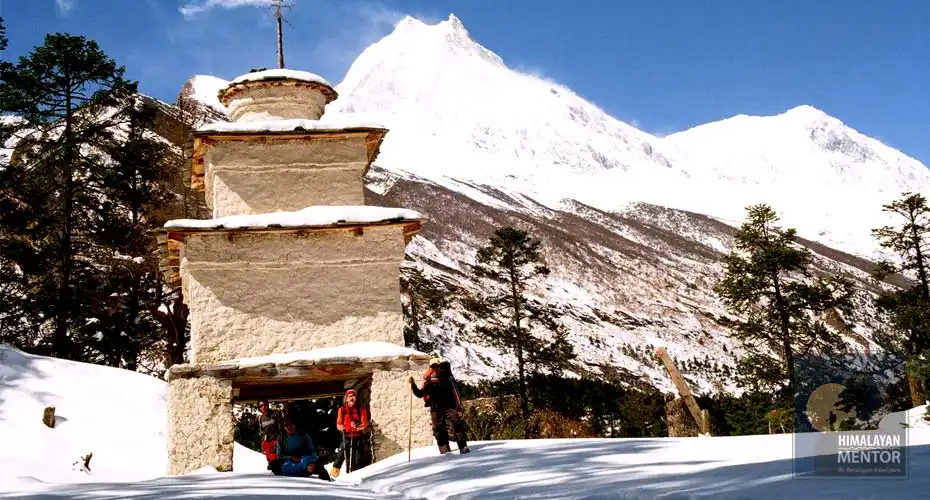
The decision follows lobbying by the Trekking Agencies’ Association of Nepal (TAAN) and other tourism-related agencies, who argued that restrictions on solo trekkers were discouraging independent travel and affecting tourism activity.
According to a notice issued by department spokesperson Tikaram Dhakal, solo travellers must still follow safety rules. They are required to apply for trekking permits through a government-registered trekking agency and must be accompanied by a licensed trekking guide. It means you still need to book your Nepal trekking trips with a registered trekking agency.
“The facilitating agency will be fully responsible for emergency rescue and logistical arrangements,” the department said.
The updated policy covers restricted areas across 13 districts. These include Upper Mustang, Upper and Lower Dolpa, Kanchenjunga base camp, the Manaslu Circuit and Tsum Valley regions in Gorkha, and the Nar and Phu valleys in Manang.
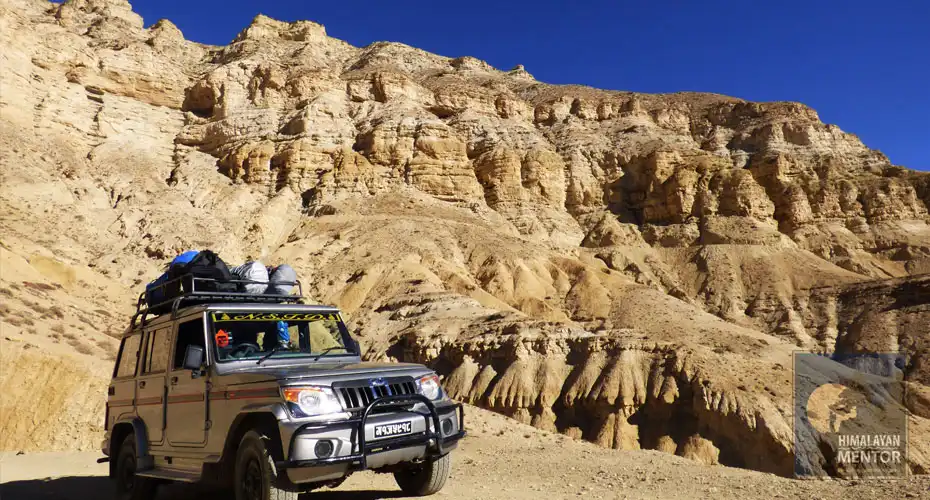
To improve monitoring, the department has set a guide-to-trekker limit. One guide can now lead up to seven trekkers. Officials said this measure is intended to improve safety and oversight in remote areas.
The DoI has also introduced a digital system for permit applications. Foreign tourists can apply using their valid Nepali visa numbers. Applicants outside Nepal can use an “Application Submission ID” to pay fees in advance.
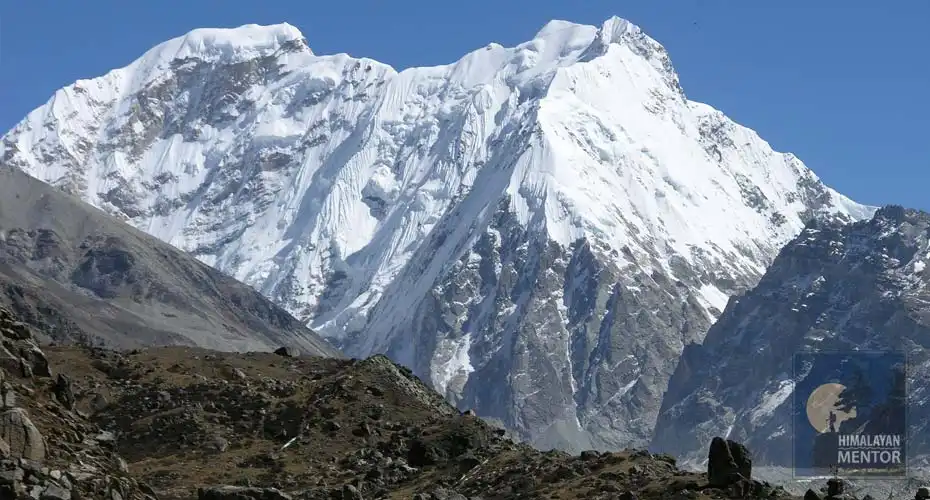
The department said the revised policy aims to maintain safety while supporting tourism and generating local employment.